
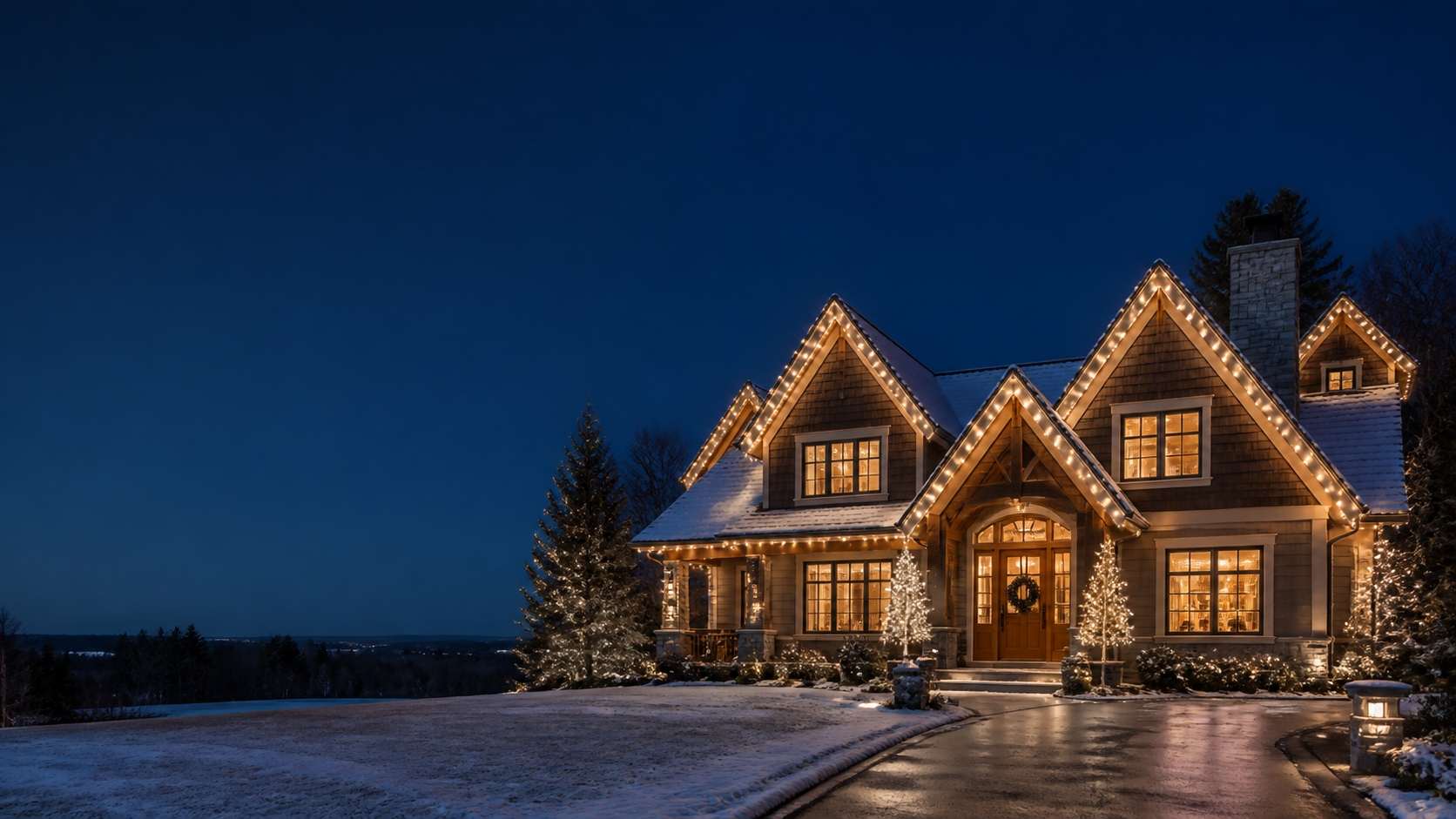



Holiday & Architectural Lighting in Easton
Design, installation, mid-season service, January takedown and off-season storage for homes and businesses. One crew, one invoice, no ladders.

What we install
Four ways to light a property, one crew
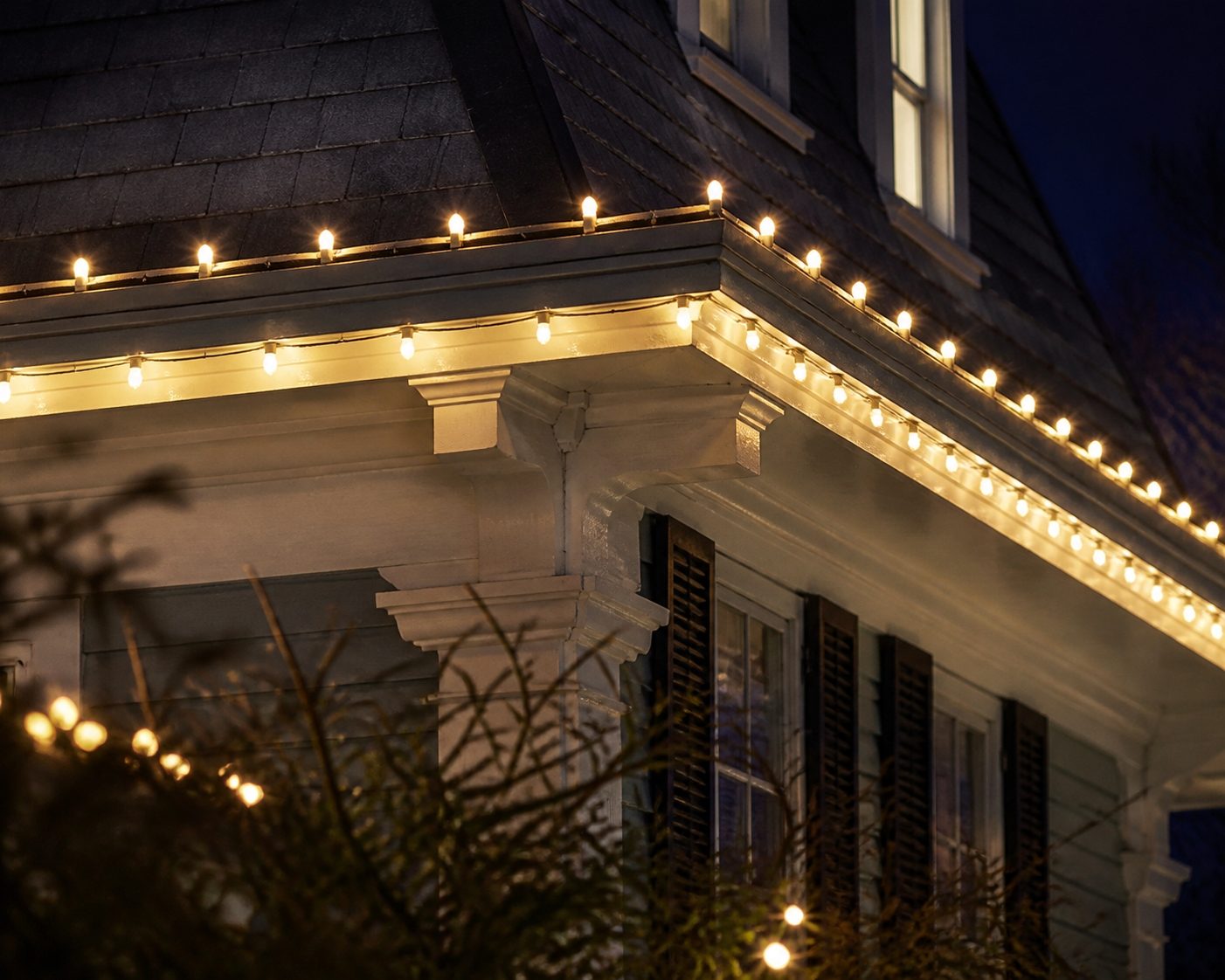
Christmas Light Installation
Outdoor Christmas lights for houses and condos — rooflines, windows, wreaths, garland, tree wraps and pathways.
Explore →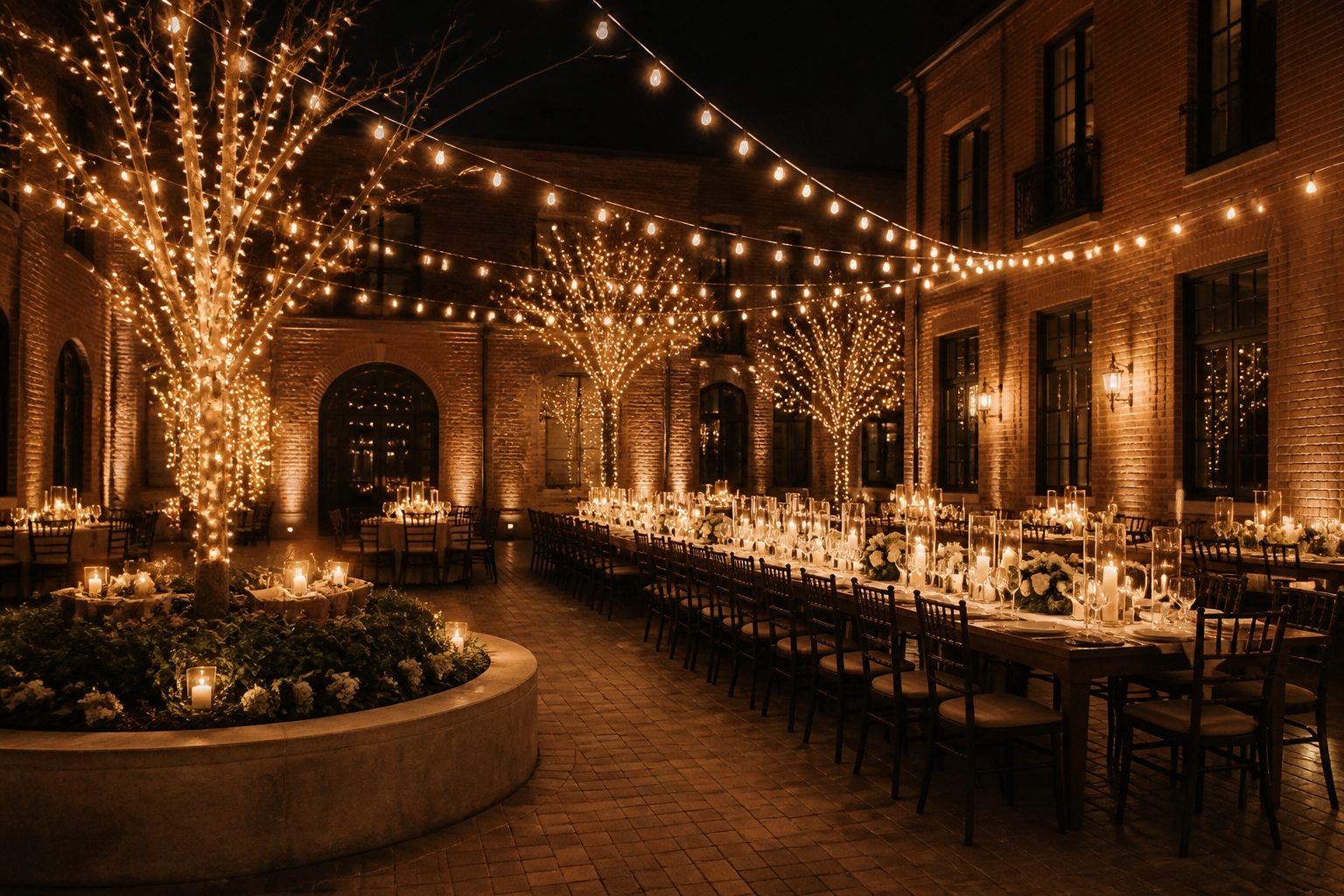
Holiday & Event Lighting
Weddings, corporate parties, Halloween, July 4th, store openings and photo shoots.
Explore →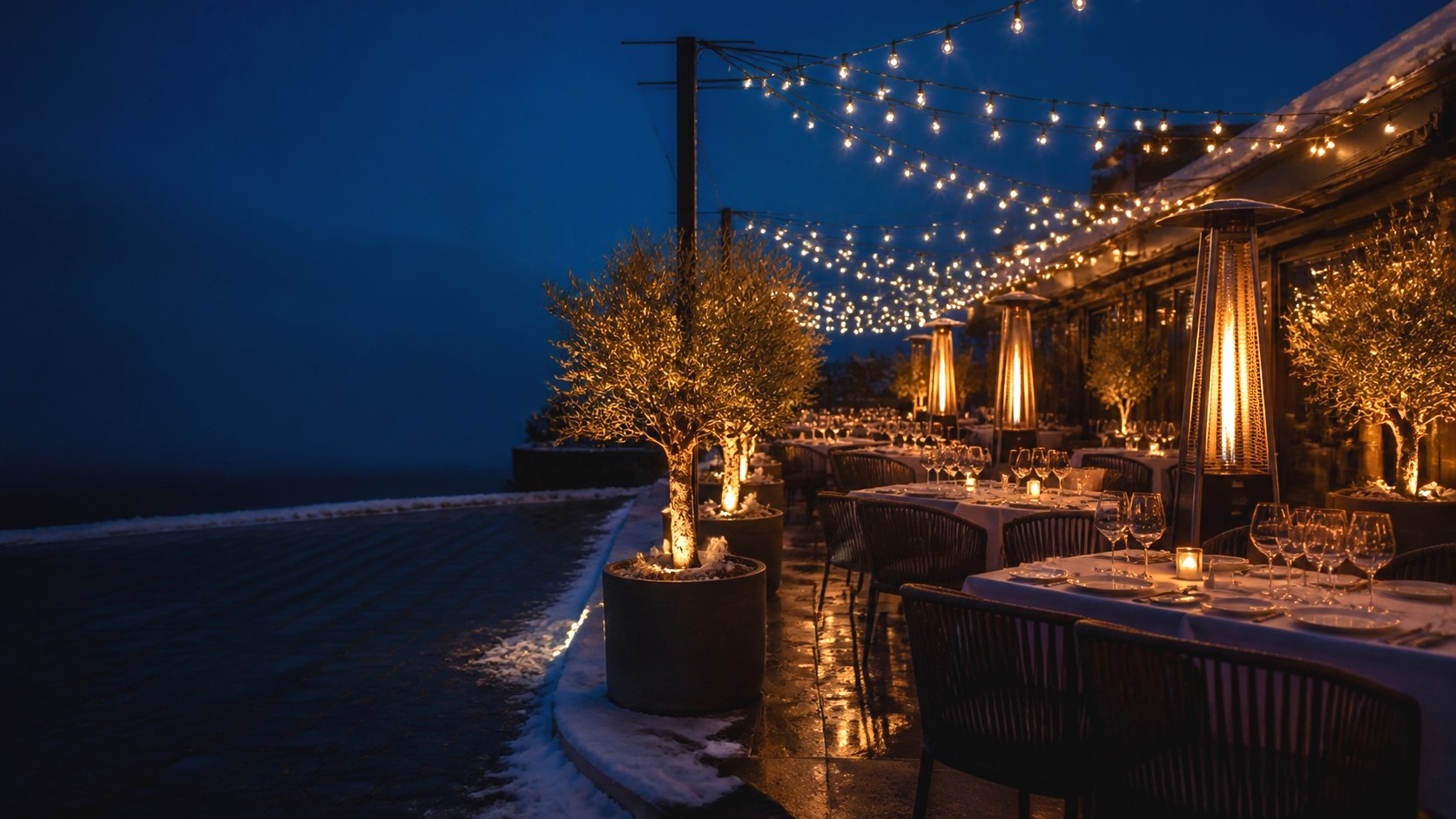
Commercial Outdoor Lighting
Storefronts, restaurants, offices, hotels, condo buildings and multi-site portfolios.
Explore →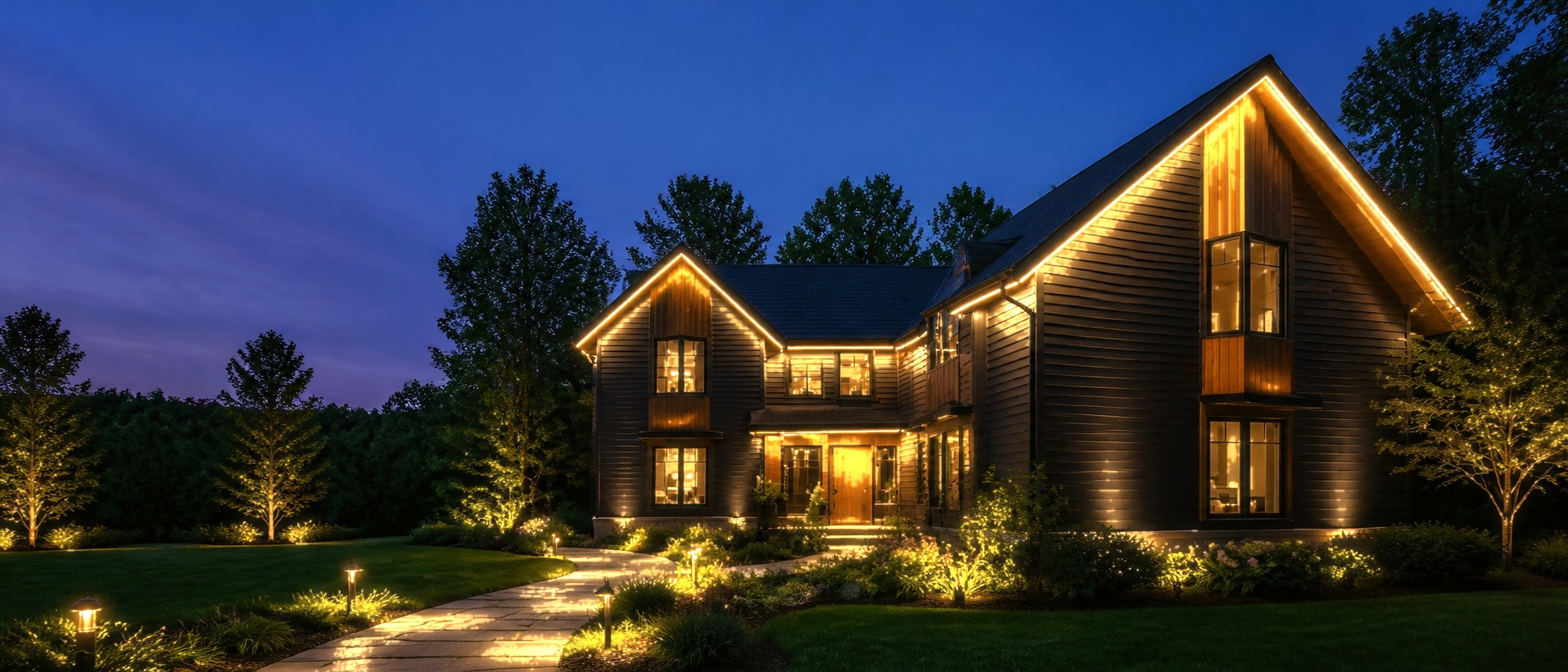
Permanent Lights
App-controlled LEDs tucked under the eave. Any color, any holiday, no annual visit.
Explore →
Local guide · Easton
Lighting Permits in Easton: When You Need One and Who Issues It
A plug-in roofline display using an existing exterior receptacle is a different scope from new wiring, a dedicated circuit, or lighting placed in public space. Easton’s special district regulations also matter when a project involves a more permanent alteration or a property within a regulated development area.
| PROJECT | LIKELY PATH | WHO HANDLES IT |
|---|---|---|
| Plug-in seasonal lights | Use existing exterior power | Property owner or installer |
| New receptacle or circuit | Electrical work and inspection process | Licensed electrical professional |
| Display in a sidewalk or street area | Public-space approval may apply | Property owner and town office |
| Generator, tent, stage, or event lighting | Event-specific review | Event organizer and appropriate officials |
- Keep seasonal work removable: Clips, timers, and plug-in LED strings avoid unnecessary alteration to siding, masonry, and roof edges.
- Plan electrical additions first: A new outdoor receptacle can affect scheduling more than the decorative installation itself.
Power in Easton: Utility, Rates and Efficiency Programs
Easton’s established housing stock makes an exterior receptacle check worthwhile before a design is finalized; many homes have limited outlet locations or circuits already serving garage and landscape loads. The Easton housing profile reflects a predominantly owner-occupied community, where homeowners often choose a reusable lighting plan rather than a one-season setup.
- Separate supply from delivery: Electric bills commonly combine energy supply and delivery charges, so operating cost depends on both usage and the account’s rate structure.
- Use LEDs and controls: Low-wattage LED strings, photocells, and programmable timers reduce overnight run time without changing the visual layout.
- Expect rebates to be selective: Efficiency incentives more often address controls, heating equipment, and building systems than decorative holiday lights.
- Do not overload convenience outlets: When the design exceeds existing capacity, adding a receptacle or circuit is electrician work rather than a lighting-installation shortcut.
The Lighting Year in Easton: Seasons, Holidays and Deadlines
Easton’s holiday-lighting season is shaped by wet fall weather, leaf cleanup, early darkness, and the rush toward Thanksgiving, December celebrations, and New Year’s events. The town’s community master plan identifies village, corridor, and commercial settings with different access conditions, so storefront and residential scheduling should begin before the late-fall calendar compresses.
| SEASON | BEST USE | INSTALLATION FOCUS |
|---|---|---|
| Late summer | Design and measurements | Confirm roofline, outlets, and storage plan |
| Early fall | Residential installation | Complete work before wet leaves and cold ladders |
| November | Peak demand | Choose from remaining installation capacity |
| January | Removal and storage | Take down lights before hardware is forgotten |
- Earlier booking protects choice: The same roofline does not become more complex in November, but preferred dates and inventory become less available.
- Commercial timing differs: Five Corners, North Easton Village, Route 138/Washington Street, and the Easton Industrial Park benefit from completing work before customer traffic and year-end operations intensify.
Liability for Exterior Lighting and Display Injuries in Massachusetts
An exterior display should be treated as part of the property condition: the owner remains responsible for deciding what is installed, while an installer is responsible for performing contracted work carefully. Massachusetts property owners should keep documentation for electrical additions, request proof of appropriate insurance, and retain installation records; the Massachusetts homeowner responsibilities guidance is a useful starting point for understanding maintenance obligations.
- Owner exposure: A loose extension cord, unstable decoration, damaged gutter, or fall hazard can create a claim involving the property owner.
- Installer exposure: Improper attachment, careless ladder use, or damage caused during installation can create responsibility for the service provider.
- Hardwired work needs records: Unpermitted electrical alterations can become an issue during an insurance claim, property sale, or inspection.
- Use a written scope: Clarify attachment methods, removal timing, storage, access limits, and responsibility for pre-existing conditions.
Pedestrian Access and Accessibility Rules Around Displays
Decorations should never turn a walkway, entrance, curb ramp, or accessible route into an obstacle. The ADA Standards for Accessible Design provide the practical benchmark: maintain a usable route rather than treating a cable cover, planter, or barricade as a substitute for clear passage.
- Keep cables off walking paths: Route power along building edges or protected landscape areas instead of across customer approaches.
- Protect entrances: Do not place props, extension cords, or freestanding signs where they narrow access to doors or steps.
- Maintain overhead clearance: Hanging pieces should not create a head-strike risk along paths used by visitors, tenants, or deliveries.
- Use simple layouts in village settings: North Easton Village’s walkable, small-scale commercial character calls for displays that respect storefront approaches and pedestrian movement.
Neighborhoods we serve in Easton
Lighting plans are adjusted for Easton’s older residential streets, village-scale storefronts, and commercial corridors rather than applied as a single roofline package.
- North Easton Village: Walkable storefronts and close pedestrian activity favor clean façade outlines, controlled timers, and cable routes kept away from entrances.
- Furnace Village: Historic character and older building forms call for attachment methods that avoid unnecessary drilling into visible trim and masonry.
- Easton Center: Traditional homes often benefit from measured roofline runs, wreath lighting, and restrained landscape accents that preserve front-walk access.
- South Easton: Residential properties and mixed local activity create a need to separate household circuits from garage, workshop, and driveway loads.
- Eastondale: Established homes with mature trees may need tree-safe wrapping methods and careful placement around low branches.
- Five Corners: Commercial visibility and vehicle movement make storefront outlines, entry lighting, and protected power routing more useful than ground-level displays.
- Easton Industrial Park: Larger façades, loading areas, and operational traffic favor durable, clearly routed seasonal lighting that stays outside work zones.
2026 season
Install dates are going first. They always do.
Send us your address and a photo of the front of the house. You will get a fixed price and two or three available install windows, usually within one business day.